Sports fans are entering 2026 more frustrated than ever with how hard it is to simply watch their teams. Streaming services, legacy networks, and leagues are all chasing the same dollars, and the tension is close to boiling over.
The Fragmentation Problem Hits a Breaking Point
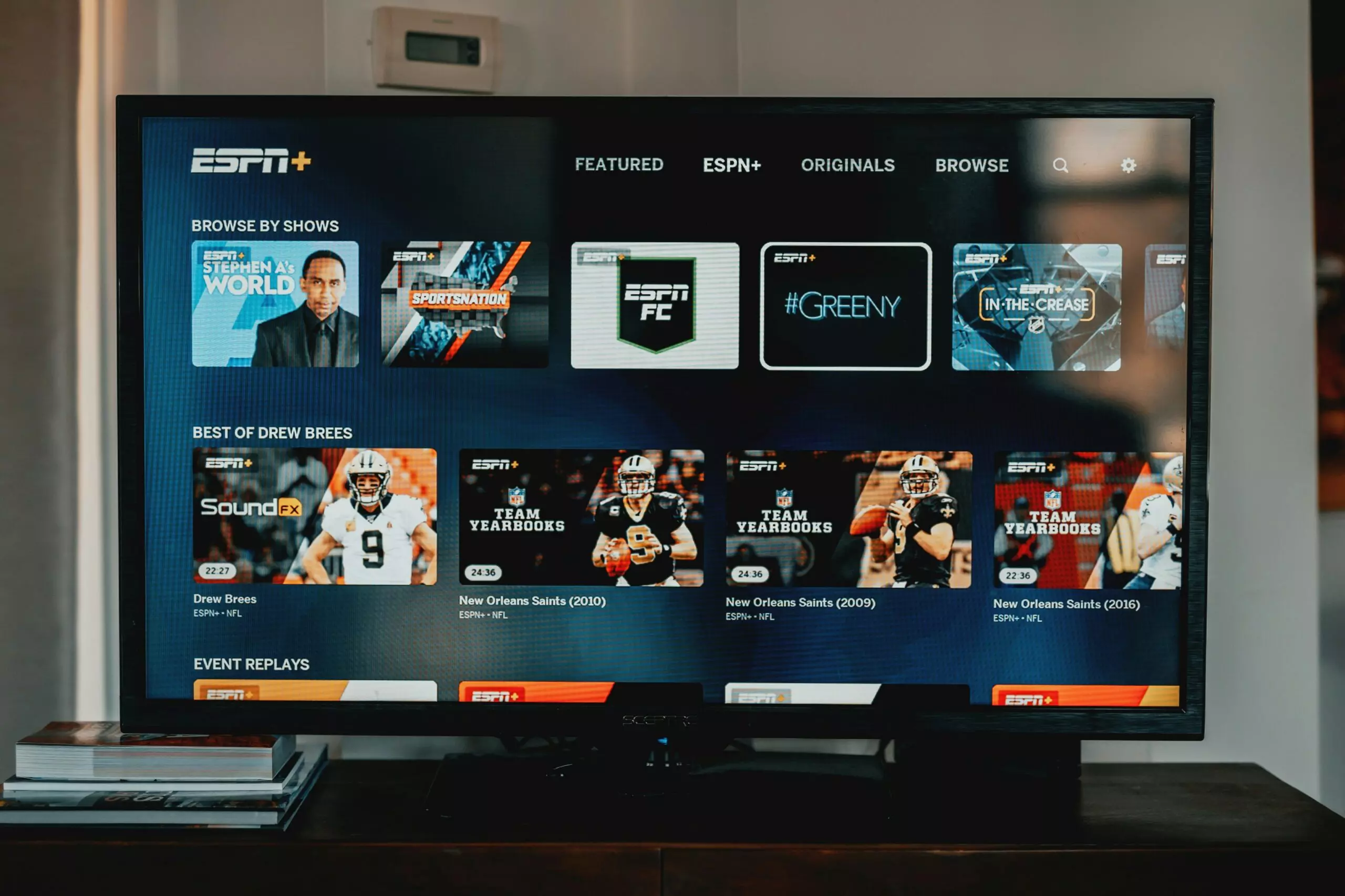
Live sports are now scattered across Apple, Netflix, Amazon Prime Video, traditional cable, and virtual MVPDs like YouTube TV, forcing fans into multiple subscriptions just to follow one sport’s full schedule.
Formula 1 shifted live rights to Apple, MLS remains locked into Apple’s global package, Amazon has become a full NBA regular-season broadcaster, and Netflix has grabbed Christmas NFL games, big boxing events, and future MLB and FIFA women’s rights.
Why Consumers Are Pushing Back
Fans increasingly complain that the total cost of “must-have” sports subscriptions now rivals or exceeds the worst days of bloated cable bundles. Beyond cost, discoverability and UX are pain points: fans bounce between apps, miss games because rights change hands, and face different blackout and authentication rules for each platform.
Industry observers expect a “great re‑bundling” where major competitors start packaging services together, either through wholesale bundles or cross-platform partnerships.
Early experiments—such as telecoms tying wireless plans to streaming access, and joint streaming bundles between rival media companies—are likely to accelerate as churn and customer acquisition costs climb.
Political and Regulatory Pressure on Leagues’ Sports Streaming
As streaming frustration becomes a kitchen-table issue, bipartisan political scrutiny is expected to intensify around pricing, blackout restrictions, and the accessibility of major national events.
Lawmakers could push for clearer consumer protections and more transparent carriage terms, especially where public subsidies or antitrust exemptions benefit leagues and broadcasters.
The NFL, having watched the NBA close massive rights renewals, is already being urged by internal and external voices to explore early renegotiation of its current deals, which include an opt-out option before the 2030s.
Other leagues, from MLB to the NHL, are watching closely; local media upheaval and RSN failures are pushing them to consider national streaming packages and direct-to-consumer hybrids that still preserve linear reach.
Winners and Losers in a Re‑Bundled Future
Big-tech giants with diversified revenue (Amazon, Apple, Google/YouTube) stand to gain leverage by owning both distribution and data, while smaller single-sport platforms may be squeezed into niche roles or acquired.
For fans, the best-case scenario is fewer bills and smarter packaging of rights; worst case, a new era of mega-bundles could recreate old cable frustrations in a different wrapper.
Conclusion: What Teams, Brands, and Fans Should Do Now
Teams and leagues should prioritize flexible rights structures, better first-party data collection, and cross-platform marketing that does not assume consumers know where every game lives. Brands and agencies need contingency plans for shifting audiences and measurement models, while fans can push back by selectively subscribing around peak events instead of year-round commitments.