Major League Baseball has entered 2026 with a fundamentally different national media rights package that leans hard into streaming while still protecting key linear TV windows. Instead of a single long-term, all-encompassing deal, MLB has carved out shorter agreements with ESPN, NBCUniversal, and Netflix that run from 2026 to 2028 and repackage inventory previously held by ESPN and Roku.
The league’s choice of partners reads like a roadmap of the modern media landscape. ESPN brings traditional reach plus a powerful direct-to-consumer ecosystem, NBC offers broadcast exposure and Peacock streaming integration, and Netflix represents the disruptive outsider now making a serious play in live sports.
ESPN Becomes Baseball’s Streaming Nerve Center
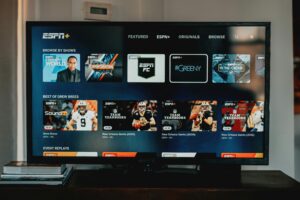
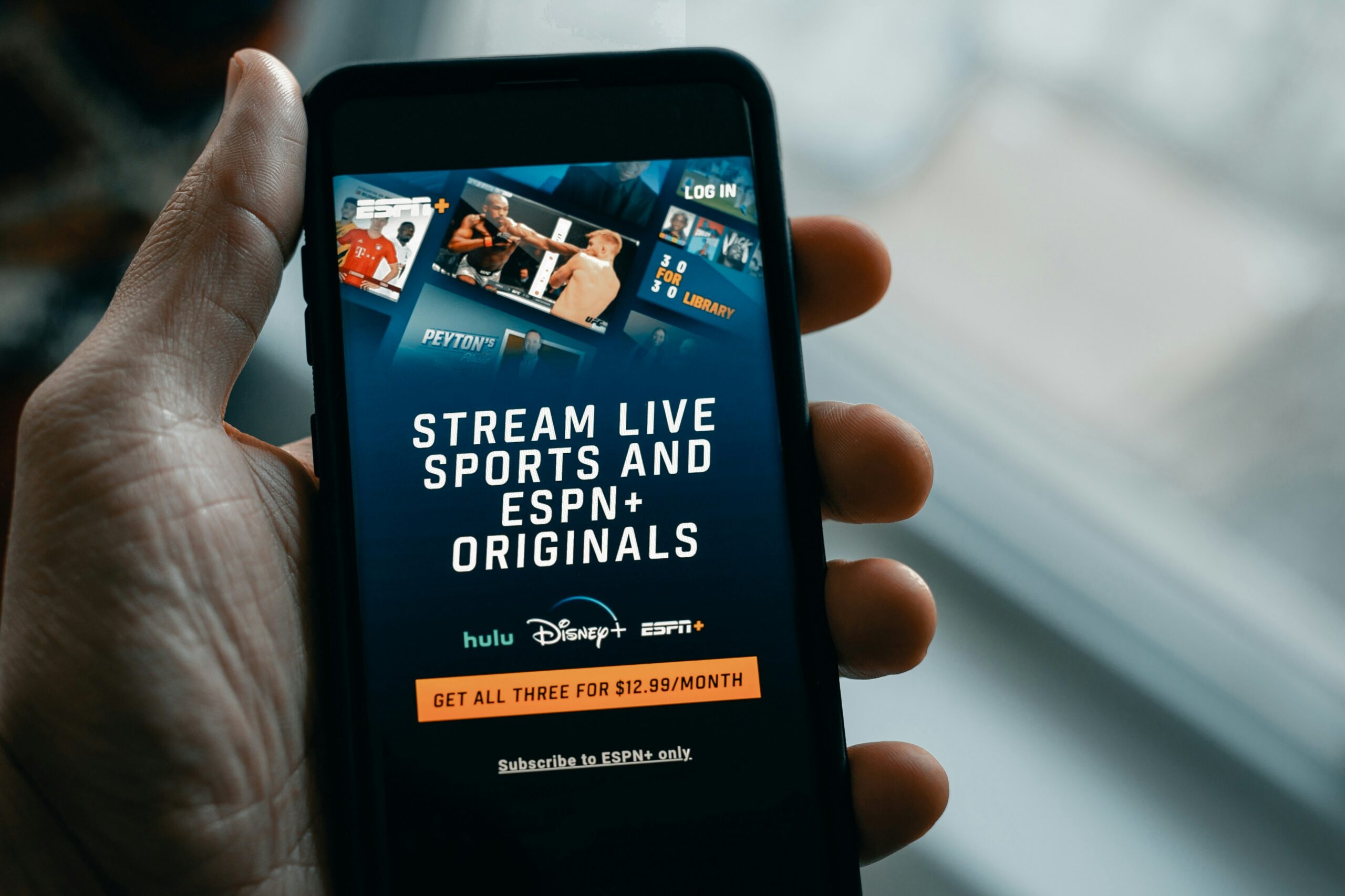
The most consequential piece of the puzzle is ESPN’s revamped deal. Beginning in 2026, ESPN adds a new 30-game national television package while becoming the exclusive home of MLB.TV, folding thousands of out-of-market games into the ESPN app and its direct-to-consumer service. Crucially, ESPN also secures exclusive local in‑market streaming rights for six MLB clubs, effectively testing what a future “one-stop shop” for a team’s games might look like in a post–regional sports network world.
This arrangement pushes fans deeper into ESPN’s subscription funnel, giving Disney a clearer value proposition for its flagship sports streamer. It also gives MLB a single powerful digital distribution partner for a large chunk of its inventory, rather than relying on a patchwork of team-controlled apps and RSN streams.
NBC and Netflix Lean Into Live Moments
NBCUniversal’s side of the package restores a familiar dynamic: big baseball games on broadcast TV with a streaming simulcast. Front Office Sports reports that NBC’s share of the rights is worth an estimated 50 million dollars per year for 2026–28, building on separate rights it already holds for the 2026 World Baseball Classic in Japan. For MLB, this keeps a premium presence on free-to-air television at a time when cord-cutting continues to erode cable’s reach.
Netflix’s inclusion is the more disruptive signal. After dabbling in live events with NFL Christmas games and premium boxing, Netflix will now carry a package that includes tentpole properties like the Home Run Derby and other MLB content over the next several seasons. This gives MLB access to a global SVOD giant with unmatched recommendation algorithms and audience data, while giving Netflix a new slate of appointment-viewing content to reduce churn and attract advertisers.
Why Short-Term Deals Matter
Unlike traditional decade-long rights pacts, these MLB agreements are intentionally short, covering just three seasons. That structure reflects how quickly the economics of streaming, advertising, and sports rights are shifting, and it gives both MLB and its partners flexibility to recalibrate as consumption patterns evolve.
For MLB, shorter cycles create more frequent opportunities to re-rate the value of its content, especially as competition for live rights intensifies among tech platforms and traditional broadcasters. For networks and streamers, the shorter term reduces long‑tail risk if subscriber growth or ad markets underperform expectations.
What Changes for Fans and Advertisers
For fans, the upside is access: more games available via mainstream streaming apps that many households already pay for. The trade‑off is fragmentation and potential confusion, as different game packages live across ESPN’s app, NBC platforms, Netflix, and local outlets, demanding more careful navigation from viewers on any given night.
Advertisers, meanwhile, gain new high‑impact inventory across both national broadcast windows and premium streaming environments. With ESPN and Netflix both leaning into advanced targeting and measurement, MLB’s inventory becomes a testing ground for next‑generation ad products that blend the scale of live sports with the precision of digital marketing.
What This Signals for the Industry
MLB’s 2026–28 rights strategy is a preview of where the wider sports business is heading. Competitors like the NBA and Formula 1 are already rethinking local and global distribution, with F1, for example, shifting U.S. rights to Apple in a deal reportedly worth around 140 million dollars per year through 2031, up from 90 million dollars with ESPN. As more leagues juggle broadcast reach, streaming subscriptions, and global expansion, short, flexible, multi-partner deals may become the norm rather than the exception.
For rights holders, the MLB blueprint suggests a future where leagues act more like portfolio managers, spreading their content across platforms to optimize reach, revenue, and data access. For streamers and networks, it underscores that live sports remain the most powerful engine for attention in an increasingly fragmented entertainment economy, and that missing out on key properties can mean losing entire demographics.