On January 14, 2026, President Donald Trump signed the Whole Milk for Healthy Kids Act into law during a ceremonial event in the Oval Office at the White House. The bipartisan legislation, which passed both chambers of Congress unanimously in late 2025, reverses long-standing Obama-era restrictions that limited milk options in the National School Lunch Program to fat-free (skim) or low-fat (1%) varieties since 2012.
A new law granting schools the right to serve whole and 2% milk has been signed by President Trump
The law allows schools participating in the program—serving nearly 30 million children daily—to offer whole milk and 2% reduced-fat milk alongside existing low-fat and fat-free options. It also expands flexibility for non-dairy alternatives (like fortified soy milk), permitting them if they meet nutritional standards and allowing parental notes (not just doctor’s notes) for dietary restrictions.
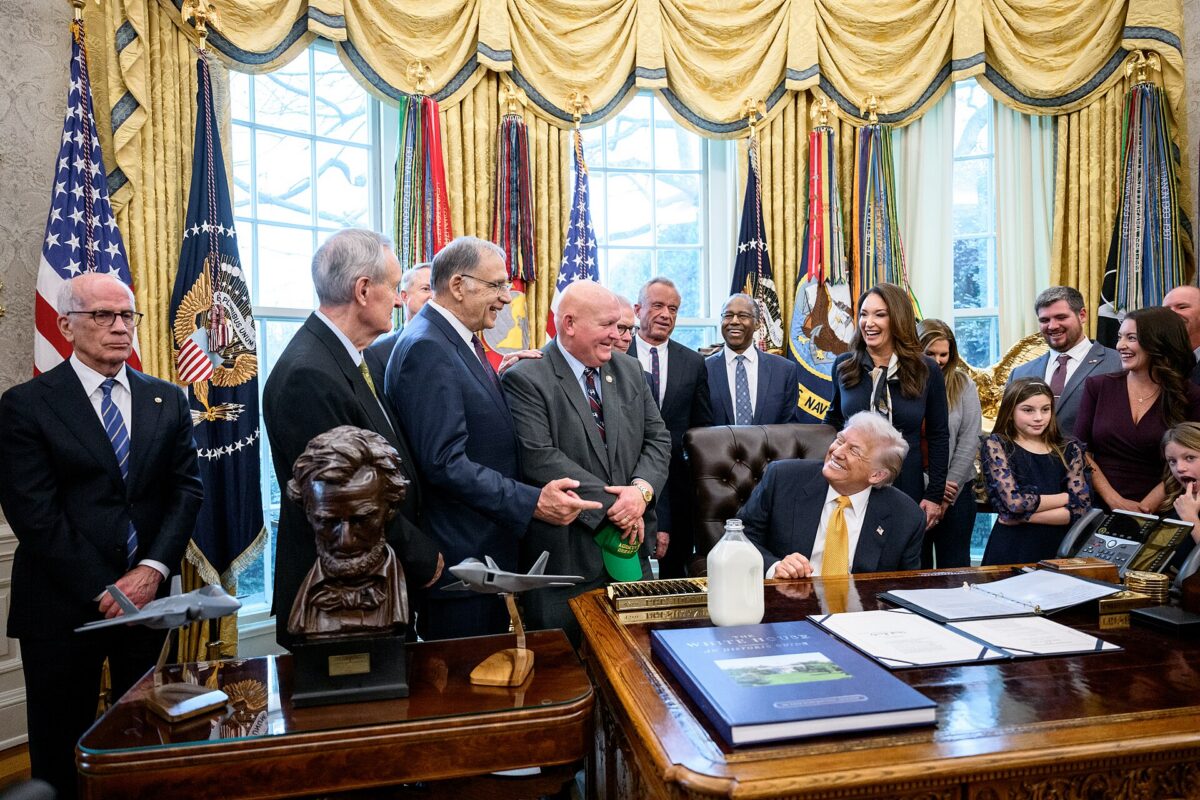
The signing ceremony featured key figures including U.S. Secretary of Agriculture Brooke L. Rollins, U.S. Health and Human Services Secretary Robert F. Kennedy Jr., USDA National Nutrition Advisor Dr. Ben Carson, dairy farmers, parents, and bipartisan members of Congress such as sponsors Sen. Roger Marshall (R-KS), Sen. Peter Welch (D-VT), Rep. Glenn Thompson (R-PA), and Rep. Kim Schrier (D-WA).
Key Highlights from the Signing and Official Statements
President Trump participated actively, touching a container of milk during remarks and posing with a glass in celebratory photos shared by the USDA. The event emphasized benefits for children’s nutrition, parental choice, and America’s dairy farmers.
Secretary Brooke Rollins stated: “Thanks to President Trump’s leadership, whole milk is back – and it’s the right move for kids, for parents, and for America’s dairy farmers.” She highlighted the administration’s efforts to rebuild the farm economy through fair trade, lower costs, and affordable groceries, noting dairy price drops in 2025 (butter down 3.4%, cheese down ~2%).
The USDA and dairy advocates praised the move as a win against what they called “unfair vilification” of whole milk. Groups like the International Dairy Foods Association (IDFA) and National Milk Producers Federation called it progress, with IDFA CEO Michael Dykes saying: “This law is a win for our children, parents, and school nutrition leaders, giving schools the flexibility to offer the flavored and unflavored milk options… that meet students’ needs and preferences.”
The law amends the Richard B. Russell National School Lunch Act, overriding 2010 Healthy, Hunger-Free Kids Act provisions (championed by former First Lady Michelle Obama) aimed at curbing childhood obesity by mandating lower-fat milk. Dairy industry and some nutrition experts argue whole milk isn’t linked to poorer health outcomes and may even reduce obesity risk in children, while boosting school milk consumption.
Background on the Whole Milk for Healthy Kids Act
Sponsored by a bipartisan coalition, the bill (S. 222) addressed dairy industry concerns over declining school milk sales under the old rules. It takes effect immediately, with USDA implementation guidance released shortly after signing.
The White House gallery page features photos from the Oval Office event, capturing Trump at the Resolute Desk with milk containers, surrounded by supporters, and signing the bill. Captions and images show the ceremonial nature, including group shots with lawmakers, farmers, and officials.
This marks one of Trump’s first legislative signings of 2026, aligning with his administration’s “Make America Healthy Again” (MAHA) priorities, including school nutrition reforms.
Reactions and Implications
Dairy farmers celebrated the boost to demand amid global supply pressures. Critics of the original Obama-era policy hailed it as restoring choice and taste to school meals. Some nutritionists expressed caution, noting whole milk’s higher cost could strain school budgets, though the law provides options without mandating changes.
The signing drew widespread coverage from outlets like USDA, USA Today, The Guardian, Reuters, CNN, CBS News, and The New York Times, with social media buzz including USDA posts urging “#DrinkWholeMilk.”
For schools in areas like Waukegan, Illinois (near Chicago), this means potential menu updates for the 2026-2027 school year, giving cafeterias more flexibility to meet student preferences.
As the Trump administration advances farm and nutrition policies, this act represents a tangible win for dairy producers and families seeking options beyond skim milk.
For the latest on Whole Milk for Healthy Kids Act, Trump signing ceremony, school lunch changes, USDA updates, and dairy industry news, check official sources like WhiteHouse.gov, USDA.gov, and reliable outlets. Whole milk’s return—cheers to that!