
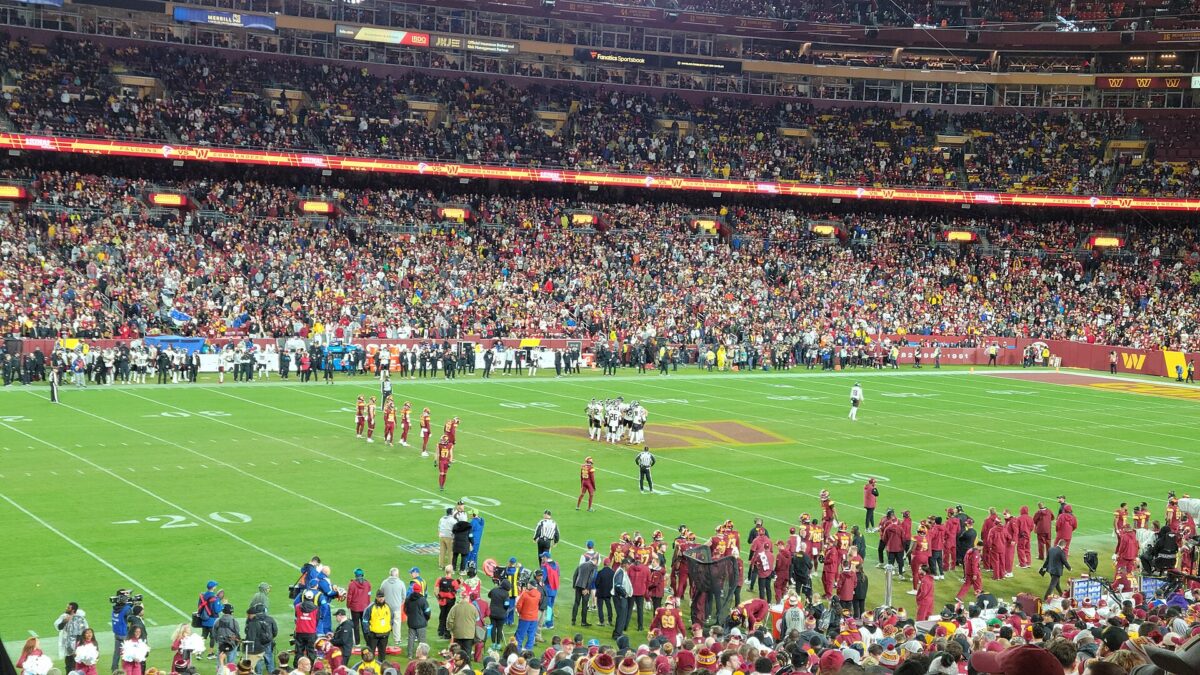
Sports: In a world where politics feels relentless—deadly ICE enforcement incidents in Minneapolis, bipartisan outrage over federal tactics, Trump’s boycott of Super Bowl LX, and the constant drip of policy battles—sports have become more than entertainment. They are a necessary pressure valve, a deliberate and healthy way to step away from the noise and reclaim mental space.
The Overwhelming Weight of Constant Political News

The recent tragedies in Minneapolis, including the fatal shootings of U.S. citizens Alex Pretti and Renee Nicole Good by federal agents during anti-ICE protests, have left many Americans horrified and angry. Public sentiment is shifting, with even conservative voices calling for de-escalation and independent investigations. At the same time, the national conversation remains saturated with division, accusations, and outrage.
Why Sports Provide the Perfect Mental Reset
It is precisely in moments like these that sports serve a critical purpose: they allow us to disconnect without denial. Watching a close game, cheering for a comeback, or simply following the drama of a playoff run gives the brain a structured break from the endless scroll of bad news.
- The scoreboard resets every play
- The stakes are real but contained
- The outcome—win or lose—doesn’t change your taxes, your safety, or your rights
That boundary is powerful.
Sports Deliver Emotion Without Existential Weight
Sports are not an escape from reality; they are a deliberate pause within reality. They let you feel intense emotion—joy, tension, disappointment—without carrying the same existential weight as political headlines. You can care deeply about justice and still scream at a fourth-down stop. You can condemn brutality and still root for overtime. These are not contradictions; they are proof of emotional range.
The Numbers Prove People Crave This Break

The data backs this up. The 2026 College Football Playoff National Championship drew 33.2 million viewers at its peak—not because politics were absent, but because people craved something unifying and immediate. The Super Bowl consistently shatters viewership records regardless of the cultural climate. Sports deliver shared experiences that politics increasingly fails to provide.
Who Gets to Step Away—and Why It’s Still Valid
Of course, not everyone has the luxury of tuning out. For those directly impacted by immigration enforcement, deportations, or violence, the news is personal and inescapable. For the rest of us, choosing to watch a game isn’t apathy—it’s self-preservation.
Mental health experts have long emphasized the importance of “psychological detachment” from work and stressors; sports offer exactly that detachment in a socially acceptable, even communal form.
This isn’t about ignoring politics forever. Stay informed, vote, donate, protest when it matters. But it’s also okay—healthy, even—to carve out time where the only thing that matters is whether the quarterback hits his read or the kicker splits the uprights.
Final Thought: Sports Give You Control When Everything Else Feels Out of Control
In 2026, with politics bleeding into every corner of life, sports remain one of the last places where you can still turn off the outrage machine for a few hours and simply be present. That pause isn’t weakness. It’s necessary. And it’s one of the reasons we keep coming back.
So yes—root for your team, enjoy the halftime show, bet on the spread, argue with friends about the call. Do it without guilt. In a world that rarely gives you control, sports hand you a few hours where the outcome still feels like it matters—and where, for a little while, you can breathe.
For More Sports And Politics Content:
At the intersection of the playing field and the corridors of power, the stakes are always higher than they appear. Here, touchdowns and treaties, contracts and caucuses, victories and vendettas all collide. This is where sports stop being just games — and politics stop pretending to be civil. Welcome to Sports & Politics.