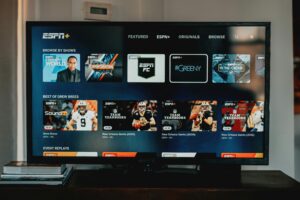
Sports streaming has entered a new phase in 2026, and Amazon is positioning itself at the center of the sports advertising ecosystem. As traditional broadcasters face stagnant rights cycles and fragmentation, Amazon’s ad-supported Prime Video strategy is turning live sports into a scalable performance and brand channel for marketers. With the addition of Prime Monday Night Hockey to cover the NHL to its already stranglehold in past season with Thursday Night Football, the mega company continues to push the sports streaming envelope.
Why Sports Are Core to Amazon’s Ad Push
Amazon is leaning on sports because sports consistently drive high engagement and repeat viewing, which fits perfectly with an ad-supported subscription model.
Sports content also delivers a premium audience segment that advertisers are willing to pay extra to reach, particularly in categories like automotive, finance, betting, and consumer electronics.
The Shift From Rating Points to Retail Signals
Traditional sports ads have been bought on reach and ratings, but Amazon can overlay first-party shopping and behavior data on top of live game inventory.
That means brands can move from broad GRP-style buys to more addressable packages tied to interest segments, purchase intent, and even in-game contextual triggers.
What This Means for Leagues and Rights Deals
As leagues approach future rights windows, they are increasingly factoring in the incremental value of global reach and data-rich platforms that can prove ROI to sponsors and advertisers.
This environment is fueling strategies where media companies are willing to pursue acquisitions, not just rights bids, to secure long-term access to premium sports properties.
New Creative and Commerce Opportunities
With interactive ad formats and second-screen integrations, an NFL, NHL, or soccer match on an ad-supported streamer becomes a gateway to shoppable moments, dynamic creative, and opt-in fan experiences.
That opens the door for brands to test custom creative tied to specific teams, player storylines, or regions, all measured with much more granular post-game reporting.
How Sports Brands and Agencies Should Respond
Rights holders and sponsors should build always-on creative pipelines that can adapt to different surfaces, from linear TV to connected TV to mobile feeds such as Google Discover. Agencies that can translate fan data into actionable media strategies will be best positioned to capture budgets shifting toward streaming and performance-driven sponsorships.