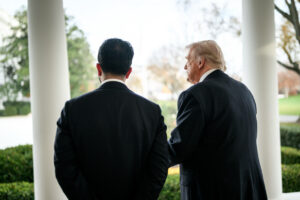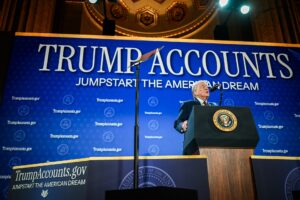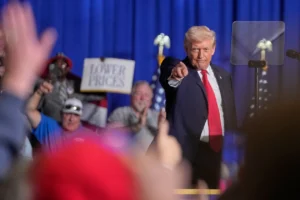
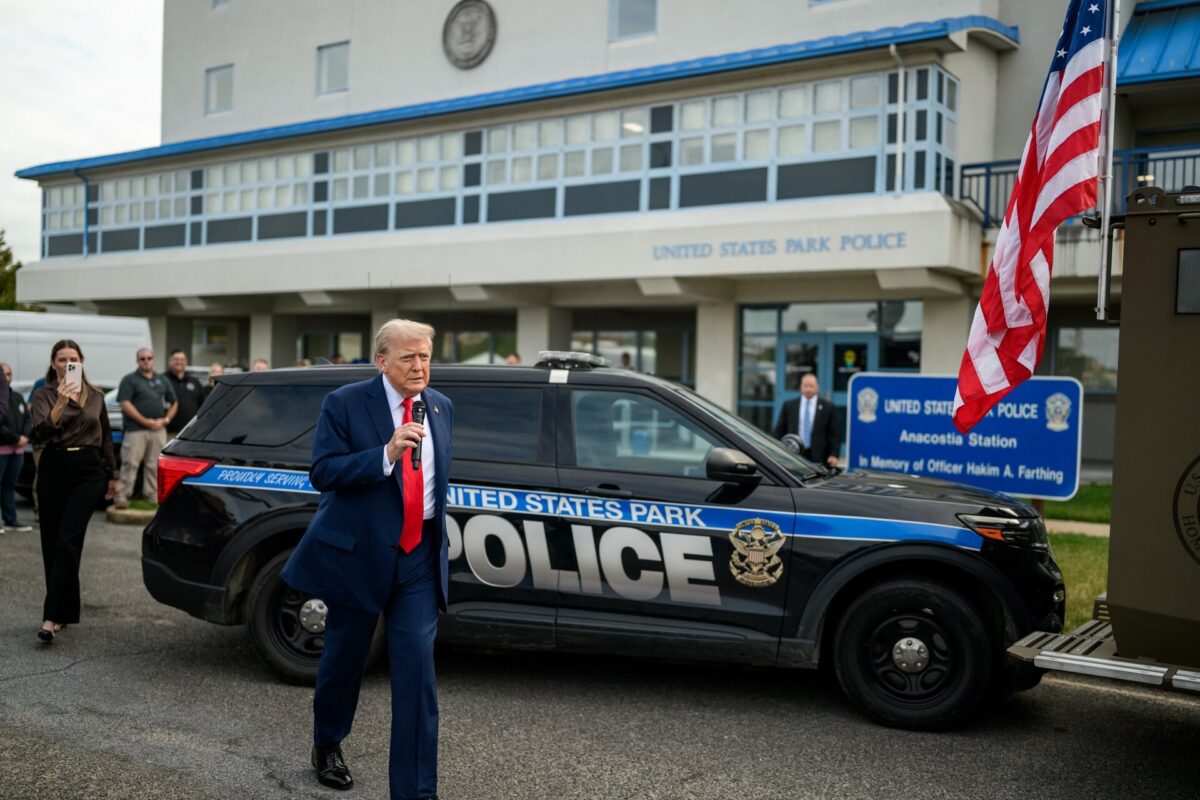
On January 20, 2026—exactly one year after his second inauguration—President Donald Trump held a lengthy, unscripted White House press briefing that lasted over an hour, blending self-congratulation with visible frustration.
In his first extended public appearance of this kind in recent months, Trump acknowledged that federal agents enforcing his aggressive immigration crackdown “make mistakes sometimes,” a rare admission amid weeks of violent clashes, including the fatal shooting of Renee Nicole Good in Minneapolis.
The briefing, which Trump dominated from the podium usually used by Press Secretary Karoline Leavitt, covered immigration enforcement, the economy, foreign policy, and his own communications strategy—often with a tone of exasperation toward the media, world leaders, and even his own team.
Key Moments: Acknowledging ICE ‘Mistakes’ Amid Backlash

Trump addressed the fallout from intensified ICE operations in Minnesota, where enforcement actions have led to confrontations and protests. He referenced the January 7, 2026, shooting of Renee Nicole Good by ICE officer Jonathan Ross during a traffic stop:
- “ICE is going to be too rough with somebody, or, you know, they’re dealing with rough people… They’re going to make some mistakes sometimes… It can happen. We feel terribly.”
- On Good’s death: “I felt horribly when I was told that the young woman… It’s a tragedy. It’s a horrible thing. Everybody would say it. ICE would say the same thing.”
Trump contrasted the public focus on these incidents with what he sees as underreported successes, such as arrests of “murderers and other criminals” and allegations of fraud schemes in Minnesota’s Somali American community. He lamented that media coverage prioritizes clashes over ICE captures.
Frustrations with His Own Team and Promotion
Trump directed pointed criticism at his communications staff for failing to highlight achievements:
- “Maybe I have bad public relations people… I think we’re doing a much better job than we’re able to promote. We’re not promoting.”
- He expressed disappointment over economic messaging, noting declining public faith in his handling of the economy and inflation (polls show approval in the low-to-mid 30s on these issues).
This internal critique aligns with broader reports of White House tensions one year into the term, as Trump has grown impatient with how his accomplishments—real or claimed—are perceived.
Other Highlights: Economy, Wars, Nobel, NATO, and Greenland
Trump used the platform to tout milestones and air grievances:
- Economy: Claimed strong performance but complained about lack of credit, contrasting his approach with Joe Biden’s: “No, I hope I don’t make the same mistakes as him.”
- Foreign Policy: Asserted he had “ended eight wars” in his first year, expressed disappointment over not winning the Nobel Peace Prize (“I lost a lot of respect for Norway… Norway controls the Nobel Prize”), and reaffirmed NATO protection while questioning allies’ reciprocity: “The big fear I have with NATO is we spend tremendous amounts of money… I just really do question whether or not they’ll come to ours.”
- Greenland: Reiterated strategic interest but ruled out force: “You’ll find out” on pursuit methods, tying into recent tariff threats now paused after a NATO “framework” deal.
Broader Context: One-Year Mark Challenges
The briefing comes amid polling headwinds—Trump’s approval rating hovers around 42% in recent averages, with disapproval over 55%. Voters express unease over inflation, cost of living, and immigration enforcement tactics. Fact-checks from outlets like CNN, Al Jazeera, and PBS highlighted numerous inaccurate claims in Trump’s remarks, including exaggerated economic figures, impossible drug price declines, and unsubstantiated war-ending boasts.
NBC described the appearance as a defensive effort to reset narratives on a day meant to celebrate milestones, but one dominated by frustration over media coverage, public perception, and internal promotion shortfalls.
As Trump enters year two of his second term, the rare briefing underscores ongoing tensions: a push for aggressive policies clashing with backlash, internal blame-shifting, and a persistent gap between self-proclaimed successes and public approval. Stay tuned for more on Trump one-year anniversary briefing, ICE enforcement frustrations, or 2026 political landscape as the midterm cycle intensifies.
For More Sports And Politics Content:
At the intersection of the playing field and the corridors of power, the stakes are always higher than they appear. Here, touchdowns and treaties, contracts and caucuses, victories and vendettas all collide. This is where sports stop being just games — and politics stop pretending to be civil. Welcome to Sports & Politics.