
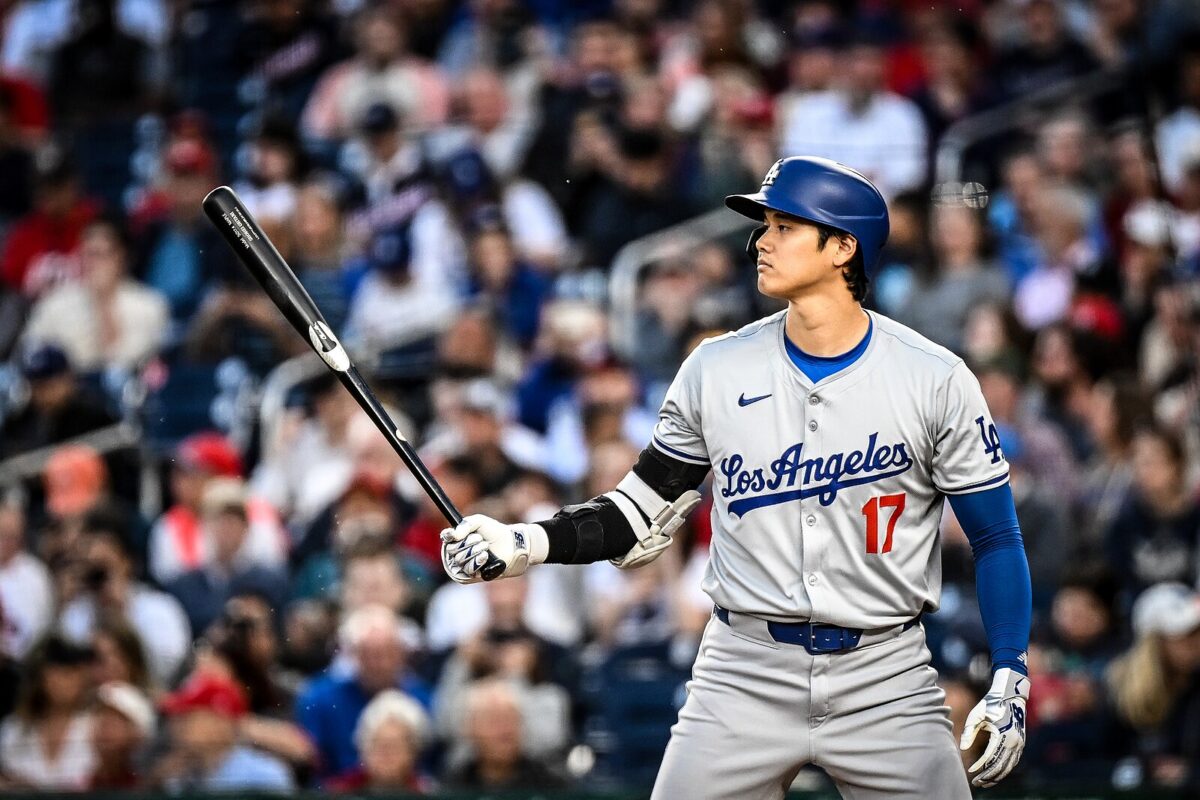
Shohei Ohtani’s 10-year, $700 million contract with the Los Angeles Dodgers—signed in December 2023—has already delivered two World Series appearances, three MVP awards, and a legacy as baseball’s ultimate two-way phenom. But off the field, it’s become a textbook case of how elite athletes exploit tax loopholes, potentially saving Ohtani up to $200 million in combined state and federal taxes.
With President Donald Trump’s “One Big Beautiful Bill” (passed in July 2025) extending and expanding the 2017 Tax Cuts and Jobs Act (TCJA), Ohtani’s deferred structure isn’t just savvy—it’s a windfall amplified by conservative tax policy. As GOP lawmakers celebrate the bill’s permanence, critics slam it as a giveaway to the ultra-wealthy, including sports icons like Ohtani. Here’s the breakdown, numbers included.
The Contract: Defer Now, Cash In Later

Shohei Ohtani’s deal is simple on paper but genius in execution: He receives just $2 million annually through 2033 (totaling $20 million over 10 years), with the remaining $680 million deferred and paid out in $68 million installments from 2034 to 2043—no interest attached. For MLB’s luxury tax purposes, it’s valued at about $46 million per year, giving the Dodgers payroll flexibility to chase rings.
This deferral was framed as a team-first move, but tax experts immediately spotted the endgame. By pushing income to his post-playing years (when he’ll be 40–49 and likely living outside California, perhaps back in Japan), Ohtani sidesteps the Golden State’s punishing 13.3% top marginal rate (rising to 14.4% in 2024 and beyond for incomes over $1 million). A California Center for Jobs & the Economy analysis estimates this alone saves him $98 million in state taxes over the deferred period. Other projections peg it at $90–$100 million if he relocates to a no-income-tax state like Florida, Texas, or Nevada.
Federal law (IRC Section 114) shields such periodic deferred payments from out-of-state taxation, a rule dating to 1996 that’s now under fire. California Sen. Josh Becker (D-Menlo Park) pushed SJR 14 in 2024 to cap deferrals and urge Congress to close the “Ohtani loophole,” arguing it starves state coffers—Ohtani’s annual savings alone equals the tax liability of 1.78 million low-income filers. The resolution passed the Senate but stalled federally, thanks in part to Republican resistance.
Donald Trump’s Tax Cuts: Turbocharging the Savings

Enter the Donald Trump administration’s fiscal playbook. The 2017 TCJA slashed individual rates (top bracket from 39.6% to 37%) and doubled the standard deduction, but many provisions were set to sunset after 2025—potentially hiking Ohtani’s federal rate to 39.2% on deferred payouts starting in 2026. Donald Trump’s “One Big Beautiful Bill Act” (OBBBA), rammed through reconciliation in July 2025, made those cuts permanent while adding perks like no taxes on tips, overtime, Social Security benefits, and auto loan interest for U.S.-made cars.
For high earners like Ohtani (whose $40 million+ annual endorsements already push him into the top bracket), the benefits are massive. The locked-in 37% top rate (vs. 39.6% pre-TCJA) on his $68 million annual deferrals could save him $100 million+ in federal taxes over 10 years, per Sportico and Forbes estimates—factoring in the avoided sunset hike and enhanced deductions. Combined with state savings, that’s a cool $198 million windfall—enough to fund a small-market MLB franchise.
The OBBBA’s fiscal cost? A staggering $4–$4.5 trillion revenue loss through 2034, per Tax Foundation and Joint Committee on Taxation analyses, with long-run GDP growth of just 0.8–1.1% offsetting only 16%. High earners (top 0.1%) snag average annual cuts of $255,670, while middle-class families see $361—fueling Democratic charges of a “trickle-up” scam. Republicans counter that permanence prevents the “largest tax hike in history” and boosts growth, but critics like House Budget Democrats call it a “steal from the poor to give to the ultra-rich.”
The Bigger Game: Athlete Tax Plays vs. Policy Wars
Shohei Ohtani’s not alone—think Bobby Bonilla’s infamous Mets deferrals or Silicon Valley execs copying the model for stock options. But in a post-OBBBA (One Big Beautiful Bill Act) world, mega-deals like his exemplify how sports and tax policy collide: Athletes in high-tax states (hello, New York Yankees) will chase similar structures, pressuring owners and leagues. MLB’s CBA allows it, but expect pushback—California’s lost revenue could hit $1 billion if copycats proliferate.
Politically incorrect angle? Tax avoidance is as American as apple pie (or deferred home runs). Ohtani’s playing the system legally, just like any billionaire donor funding Donald Trump’s campaigns. But as deficits balloon and programs like Medicaid get slashed to “pay” for these cuts, the debate rages: Is this meritocracy or rigged for the MVPs?
Quick Table: Shohei Ohtani’s Potential Tax Haul
| Tax Type | Pre-OBBBA Rate (Post-2025) | OBBBA Rate | Annual Savings on $68M Deferral | 10-Year Total |
|---|---|---|---|---|
| Federal (Top Bracket) | 39.6% | 37% | ~$1.7M | ~$17M |
| California State | 13.3–14.4% | N/A (Deferred Avoidance) | ~$9M | ~$90M |
| Combined | ~53% | ~37% + Avoidance | ~$10.7M | ~$107M |
Totals approximate; excludes endorsements/other income. Sources: Tax Foundation, Sportico.
Shohei Ohtani’s bat may be magic, but his contract is pure alchemy—turning deferred dollars into dynastic wealth, courtesy of Trump’s tax toolkit. As 2034 approaches, watch for more “hidden ball tricks” in the clubhouse.
(Sources: Forbes, Sportico, Tax Foundation, California Center for Jobs & the Economy, White House briefings, Dec. 2023–Oct. 2025. All figures verified as of Dec. 3, 2025.)
For More Sports And Politics Content:
At the intersection of the playing field and the corridors of power, the stakes are always higher than they appear. Here, touchdowns and treaties, contracts and caucuses, victories and vendettas all collide. This is where sports stop being just games — and politics stop pretending to be civil. Welcome to Sports & Politics.