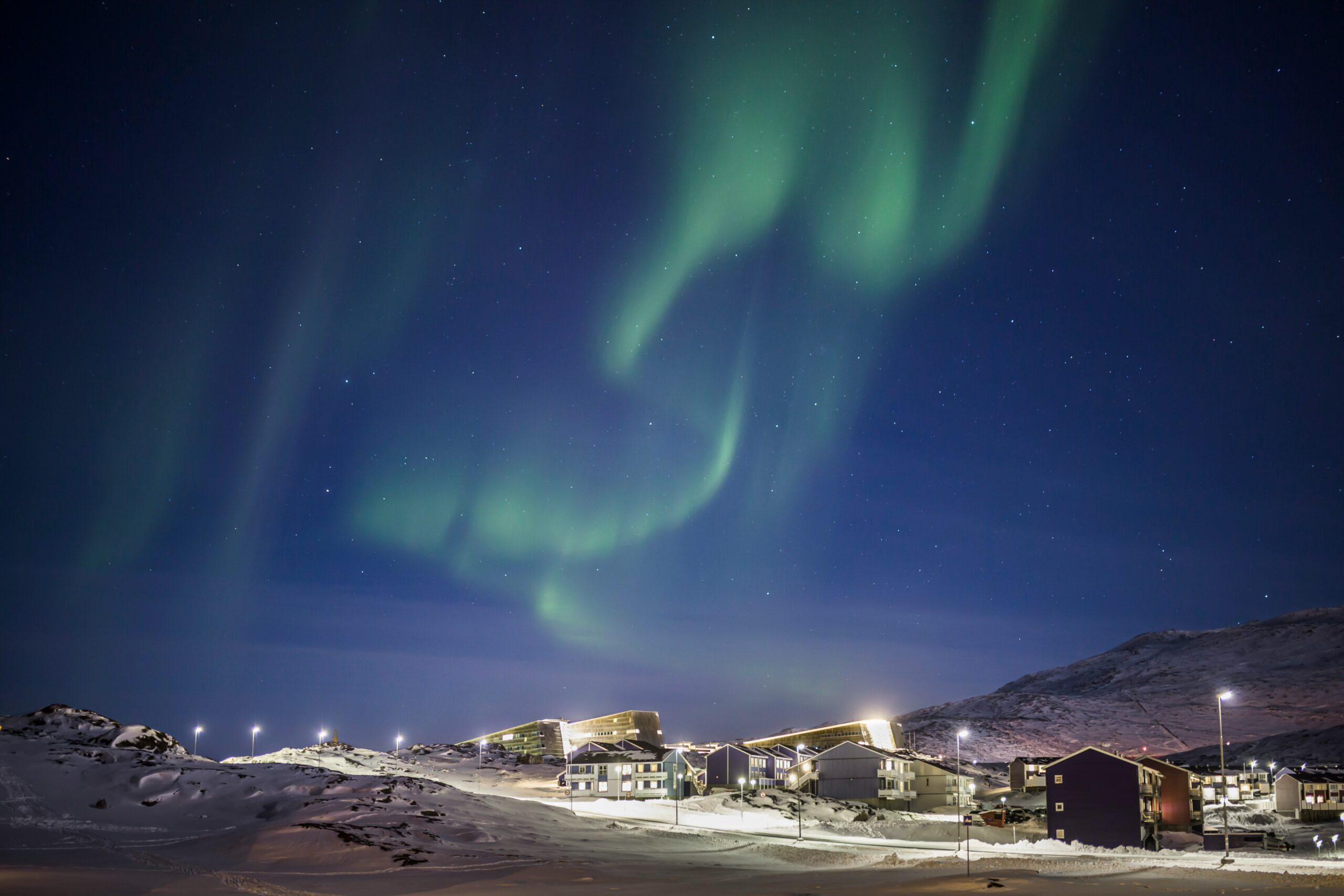
The icy expanses of the Arctic, once a desolate frontier, have rapidly thawed into one of the most hotly contested geopolitical stages of the 21st century. At its heart lies Greenland, a vast, self-governing Danish territory, whose strategic importance is now being re-evaluated not just in Copenhagen, but in Washington D.C., Moscow, and Beijing. Recent reports of joint NATO missions and renewed American interest in acquiring the island underscore a dramatic shift. It is no longer a historical footnote, but a live, high-stakes play in the new global power game.
Arctic Resources, Routes, and Russia
For decades, the Arctic was largely defined by its inaccessibility. Its frozen seas acted as a natural barrier, limiting commercial and military activity. Climate change, however, has irrevocably altered this reality. As ice caps recede at an alarming rate, new shipping lanes are opening up, drastically reducing transit times between Asia and Europe. The fabled Northeast Passage, once an impossible dream, is fast becoming a viable alternative to the Suez Canal, promising immense economic benefits for those who can control or influence it.
Beyond shipping, the Arctic is believed to hold vast untapped reserves of oil, natural gas, and, crucially, rare earth minerals – essential components for modern electronics, renewable energy technologies, and defense systems. Greenland, in particular, is rich in these strategic resources. Estimates suggest it possesses some of the largest undeveloped rare earth deposits outside of China, making it an incredibly attractive prospect for nations seeking to secure critical supply chains and reduce dependence on geopolitical rivals.
Simultaneously, Russia has been aggressively reasserting its presence in the Arctic. Moscow views the region as vital to its national security and economic future, investing heavily in military bases, icebreakers, and resource extraction projects along its extensive Arctic coastline. This robust Russian posture has created a sense of urgency among Western powers, particularly NATO members, who perceive it as a challenge to regional stability and international norms. The prospect of a “militarized Arctic” dominated by Russia has spurred a renewed focus on strategic outposts, with Greenland emerging as a prime candidate for enhanced Western presence.
From Trump’s Bid to NATO’s Patrols
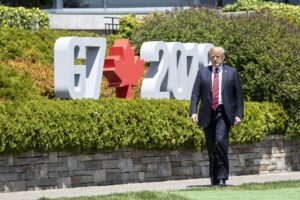
The United States’ interest in Greenland is not new. It famously offered to buy the island from Denmark in 1946 for $100 million. Fast forward to 2019, and President Donald Trump reignited the conversation with a similar, albeit controversial, proposal, which was swiftly rejected by Denmark as “absurd.” While the direct purchase notion may have cooled, the underlying strategic imperative for Washington has only intensified.
Recent reports indicate a more nuanced, yet equally assertive ,Trump strategy. Rather than outright acquisition, the focus has shifted to strengthening alliances and establishing a more robust Western presence. Bloomberg’s reporting on European leaders discussing a joint NATO mission to Greenland signals a collective effort to counter perceived Russian and even growing Chinese influence in the Arctic. This isn’t just about showing the flag; it’s about projecting power, monitoring critical shipping lanes, and potentially positioning defensive assets to safeguard Allied interests.
For the U.S. and its allies, a stronger footprint in Greenland offers several strategic advantages. Thule Air Base, a vital American radar and early warning facility, is already a testament to the island’s importance. Expanding military cooperation, conducting joint exercises, and potentially establishing new infrastructure would enhance NATO’s ability to operate in the high North, gather intelligence, and respond to potential threats. It’s a clear message that the West will not cede the Arctic without a contest.
Greenland’s Balancing Act: Sovereignty Amidst Superpower Scrutiny
For Greenlanders, and indeed for Denmark, the sudden surge in international attention presents both opportunities and challenges. While increased investment and development could bring much-needed economic growth and infrastructure improvements, there is also a delicate balancing act to maintain sovereignty and protect unique cultural and environmental heritage.
Greenland gained self-rule in 1979 and has steadily taken on more responsibilities from Denmark, including control over its natural resources. The island’s long-term aspiration for full independence is a significant factor in any strategic calculus. This desire for greater autonomy means that any foreign engagement, whether military or economic, must be carefully navigated to respect local sensibilities and contribute to Greenland’s own developmental goals, rather than simply exploiting its strategic location.
Denmark, as the sovereign power, finds itself in a pivotal position. It must juggle its alliance commitments to NATO with its constitutional responsibilities to Greenland. Striking a balance between welcoming foreign investment and military cooperation while safeguarding Greenland’s self-determination and environmental concerns will require astute diplomacy.
The “Greenland Gambit” is a microcosm of the broader geopolitical shifts defining our era. It encompasses climate change, resource competition, great power rivalry, and the aspirations of indigenous populations. As the Arctic continues to thaw, Greenland will remain at the forefront of this complex interplay, a silent, ice-laden witness to the unfolding drama of the 21st-century global order. Its future, and indeed the future of Arctic stability, will depend on whether diplomacy and cooperation can prevail over the siren call of strategic advantage.