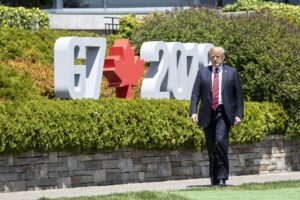
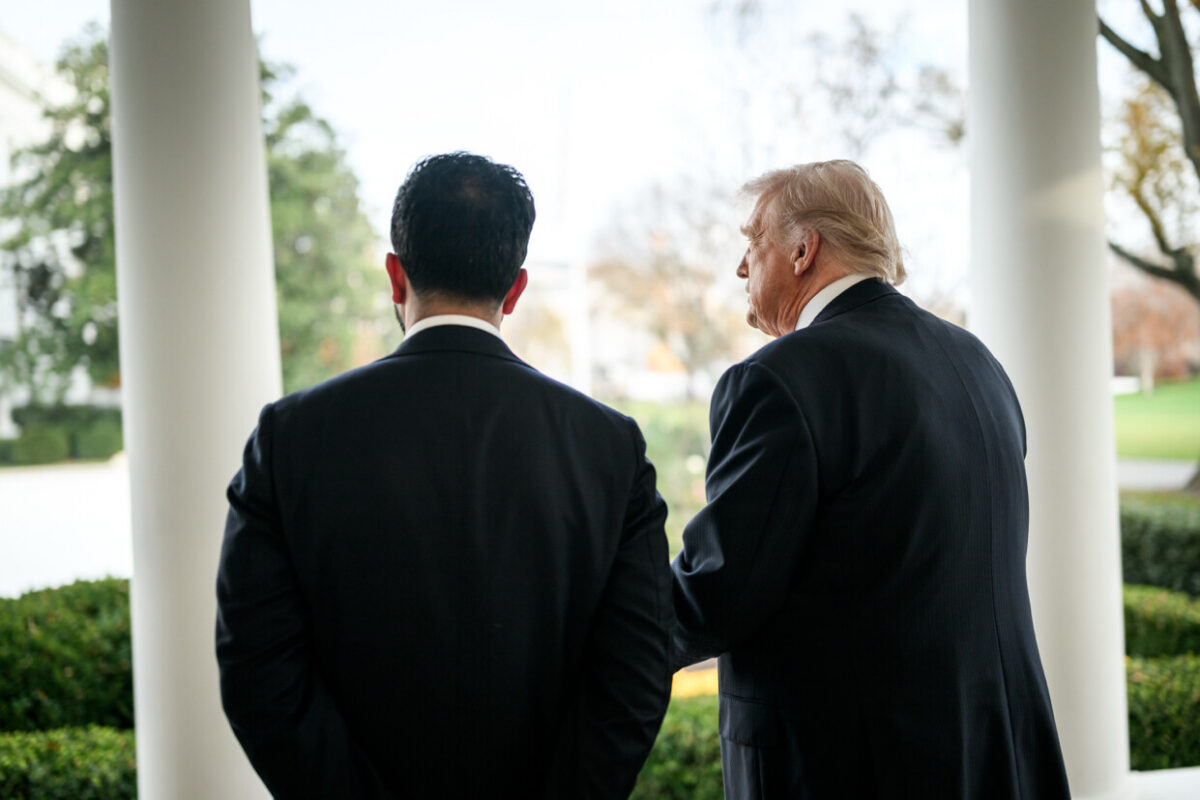
Donald Trump once again became the center of global attention at the 2026 World Economic Forum in Davos, Switzerland, sparking intense debate and concern over what many world leaders are calling a dramatic shift in the international order.
As the annual summit of global politicians, business leaders, and policymakers unfolded, Trump’s remarks and initiatives dominated discussions — and raised questions about the future of international cooperation.
At the heart of the controversy was Donald Trump’s repeated call for a “new world order,” a phrase that reverberated through conference halls and international newsrooms alike.
The term — loaded with historical and geopolitical implications — captured the broader concern that Trump’s America First approach is challenging the post-World War II, rules-based system of diplomacy that has defined global alliances for decades.
Donald Trump’s Board of Peace and Diplomatic Tensions

One of Donald Trump’s most significant announcements at Davos was his Board of Peace initiative, a new multilateral body he champions as a mechanism for conflict resolution and global cooperation. Trump initially framed the Board as a partner to the United Nations in addressing conflicts like the war in Gaza, but many traditional U.S. allies viewed the move with suspicion.
Tensions escalated when Donald Trump revoked Canada’s invitation to join the Board after Canadian Prime Minister Mark Carney criticized the approach, arguing that it could undermine established international institutions and weaken collective governance. Trump responded bluntly, insisting that Canada should be “grateful” to the United States, a remark that further strained diplomatic relations.
Greenland Controversy and Global Reaction
Donald Trump also reignited controversy by advocating for U.S. involvement in Greenland during his Davos speech, suggesting that the Arctic territory was strategically crucial and asserting that the United States was best positioned to secure its future. While Trump reiterated that he would not use military force to acquire the territory, the comments drew sharp rebukes from European leaders and sparked fears of renewed territorial expansionism.
Donald Trump’s stance on Greenland, combined with threats to impose tariffs on European nations that opposed U.S. interests, contributed to a sense of unease among NATO allies. France’s President Emmanuel Macron and Canadian leaders emphasized that sovereignty must be respected, and many European states cautioned against coercive diplomacy.
Shifting Global Alliances and the “New World Order” Debate
The reactions at Davos reflected broader concerns about the decline of what many diplomats refer to as the “rules-based international order.” Canadian Prime Minister Mark Carney delivered a keynote address warning that the traditional system of alliances and multilateral cooperation is experiencing a rupture — not merely a transition — and urged middle powers to unite in defense of shared principles.
Carney’s speech resonated with many attendees, leading to talk that global alliances are shifting in response to U.S. unilateralism under Trump. European leaders highlighted the need for closer regional cooperation and strategic autonomy, signaling that traditional ties may be reevaluated if the United States continues to pursue transactional diplomacy.
Despite the criticism, Trump defended his policies by emphasizing America’s economic strength and his belief that the U.S. should leverage that strength to reshape global arrangements in ways that benefit American interests. He framed his approach as a necessary counterbalance to what he sees as outdated international norms that no longer serve U.S. priorities.
What This Means for the Future
The 2026 Davos summit highlighted a critical moment in international relations. With Donald Trump at the center of discussions, the global community is openly debating whether the era of U.S.-led multilateralism is giving way to a more fragmented geopolitical landscape. Allies and rivals alike are watching closely to see how Donal Trump’s rhetoric and actions will influence the balance of power, economic cooperation, and collective security in the years ahead.
For observers and policymakers, Davos 2026 may well be remembered as a turning point — where the concept of a “new world order” shifted from theory to front-page reality, driven by the foreign policy ambitions of Donald Trump.
For More Sports And Politics Content:
At the intersection of the playing field and the corridors of power, the stakes are always higher than they appear. Here, touchdowns and treaties, contracts and caucuses, victories and vendettas all collide. This is where sports stop being just games — and politics stop pretending to be civil. Welcome to Sports & Politics.